15 اسفند 1403 ساعت 22:34
شاسیبلند آمریکایی کادیلاک اسکالید ۲۰۲۶ تمام الکتریکی با برد ۷۴۰ کیلومتر، طراحی لوکس، نمایشگر ۵۵ اینچی و سیستم صوتی قدرتمند معرفی شد.
شرکت کادیلاک با معرفی مدل تمام الکتریکی اسکالید IQL 2026، گام بزرگی را در توسعه سری شاسیبلندهای لوکس خود برداشته است. این مدل جدید با بهرهگیری از بهترین ویژگیهای اسکالید IQ و ارائه فضای بیشتر برای سرنشینان و بار، پاسخی مناسب به نیازهای مشتریانی است که بهدنبال ترکیبی از عملکرد، فضا و فناوری پیشرفته هستند.
۷۴۰ کیلومتر پیمایش با شارژ کامل کادیلاک اسکالید ۲۰۲۶ برقی
کادیلاک اسکالید ۲۰۲۶ به یک پیشرانه تمام الکتریکی مجهز شده که با توان ۷۵۰ اسب بخار و گشتاور ۱۰۶۴ نیوتنمتر، توانایی شتابگیری ۰ تا ۹۶ کیلومتر در ساعت در کمتر از ۵ ثانیه را دارد. همچنین این مدل میتواند تا ۳۴۰۰ کیلوگرم بار را یدک بکشد.
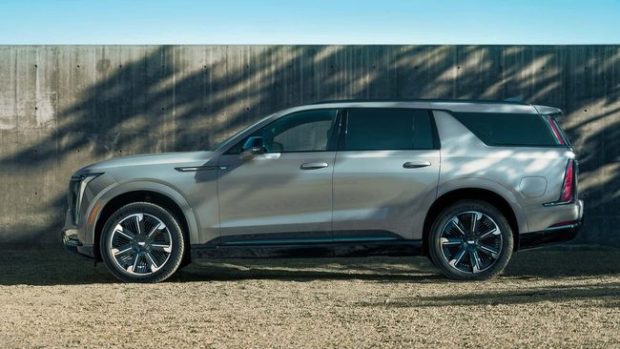
با یک شارژ کامل، اسکالید برقی میتواند تا ۷۴۰ کیلومتر مسافت را طی کند که آن را به یکی از پیشرفتهترین شاسیبلندهای الکتریکی بازار تبدیل میکند. این مدل همچنین از سیستم تعلیق تطبیقی Air Ride و فناوری Magnetic Ride Control 4.0 بهره میبرد تا تجربهای نرم و بینقص از رانندگی را ارائه دهد.
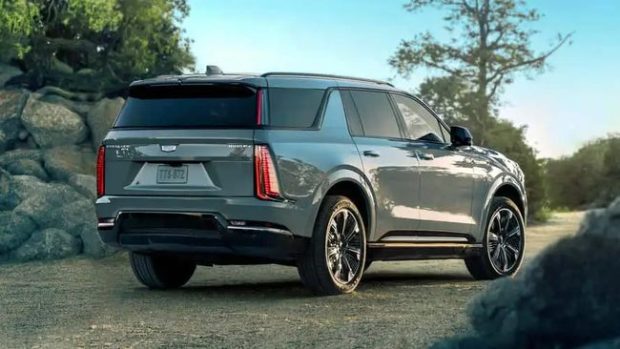
طراحی ظاهری و فضای داخلی لوکس
اسکالید جدید با طراحی خاص خود، حضور قدرتمندی در جاده دارد. این مدل نسبت به اسکالید IQ طول بیشتری دارد و در نتیجه، فضای بیشتری برای ردیف سوم صندلیها و محفظه بار عقب فراهم شده است. همچنین فضای بار اضافی ۳۴۵ لیتری در بخش جلویی (eTrunk)، امکان حمل وسایل بیشتری را به کاربران میدهد.

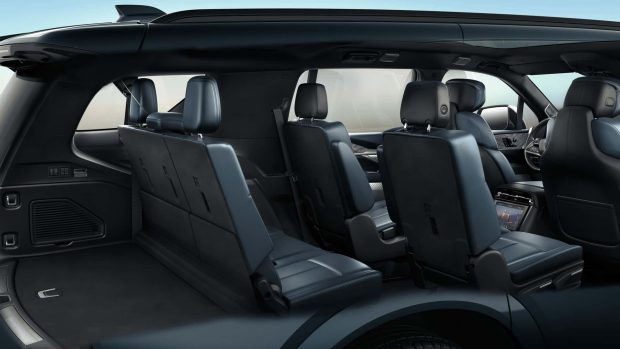
در داخل کابین، شاسیبلند جدید کادیلاک همچنان بر تجمل و فناوری تمرکز دارد. از جمله امکانات لوکس این مدل میتوان به پکیج Executive Second Row اشاره کرد که شامل میزهای تاشو، نمایشگرهای شخصی ۱۲.۶ اینچی، مرکز کنترل ردیف عقب، شارژر بیسیم دوگانه، صندلیهای ماساژور و بلندگوهای تعبیهشده در پشتسریها میشود. علاوه بر این ردیف سوم در این مدل نسبت به نسخه قبلی ۱۰ سانتیمتر فضای پای بیشتر و ۲.۵ سانتیمتر ارتفاع بیشتری دارد تا سرنشینان راحتی بیشتری را تجربه کنند.
فناوریهای پیشرفته و سیستم صوتی قدرتمند
کادیلاک اسکالید ۲۰۲۶ از یک نمایشگر خمیده ۵۵ اینچی بهره میبرد که یک تجربه چندرسانهای فراگیر را برای راننده و سرنشینان فراهم میکند. همچنین، سیستم صوتی استاندارد AKG Studio با ۱۹ بلندگو در این مدل به کار رفته است که در نسخههای پیشرفتهتر، به ۳۶ و حتی ۴۰ بلندگو قابل ارتقا است. این سیستم همچنین از Dolby Atmos پشتیبانی میکند که تجربهای غنی و بدون نویز از صدا را ارائه میدهد.
یکی دیگر از فناوریهای مهم این خودرو، سیستم رانندگی خودکار Super Cruise است که اولین سیستم رانندگی بدون نیاز به دست در صنعت خودرو محسوب میشود. این قابلیت بهصورت استاندارد همراه با ۳ سال اشتراک رایگان ارائه خواهد شد.
عرضه و قیمت کادیلاک اسکالید ۲۰۲۶ تمام برقی
کادیلاک اعلام کرده است که تولید اسکالید IQL 2026 از اواسط سال ۲۰۲۵ در کارخانه Factory ZERO جنرال موتورز در دیترویت آغاز خواهد شد. این مدل در سطح جهانی، از جمله در آمریکا و کانادا عرضه خواهد شد. قیمت این شاسیبلند باشکوه در بازار کانادا بهزودی اعلام خواهد شد. اسکالید IQL در چهار نسخه مختلف شامل Luxury، Sport، Premium Luxury و Premium Sport در دسترس خریداران قرار خواهد گرفت.

با معرفی این مدل، کادیلاک قصد دارد تا میراث ۲۵ ساله خود در تولید شاسیبلندهای لوکس را ادامه دهد. اسکالید IQL، همراه با مدلهای الکتریکی ۲۰۲۵ اسکالید IQ و نسخههای جدید ۲۰۲۵ اسکالید بنزینی، نشاندهنده آیندهای روشن برای این سری محبوب از خودروهای کادیلاک است.

